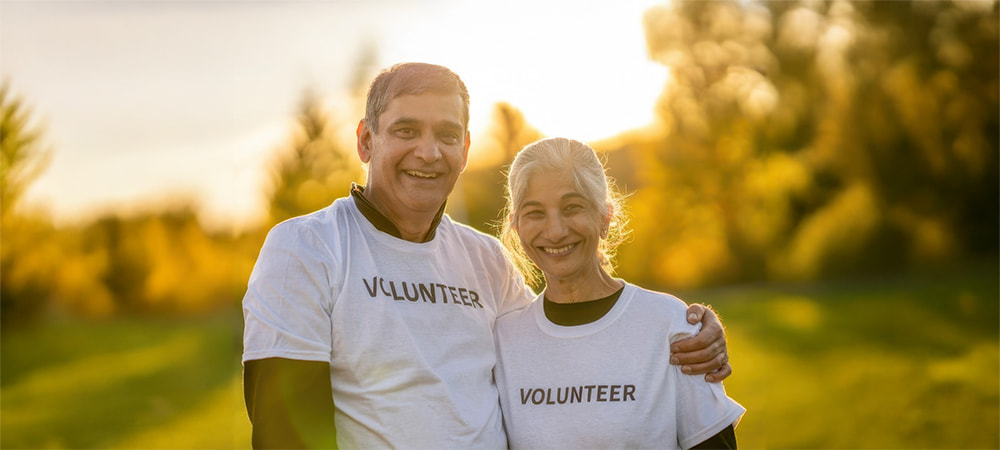
Meaning, Contribution, and Personal Fulfillment
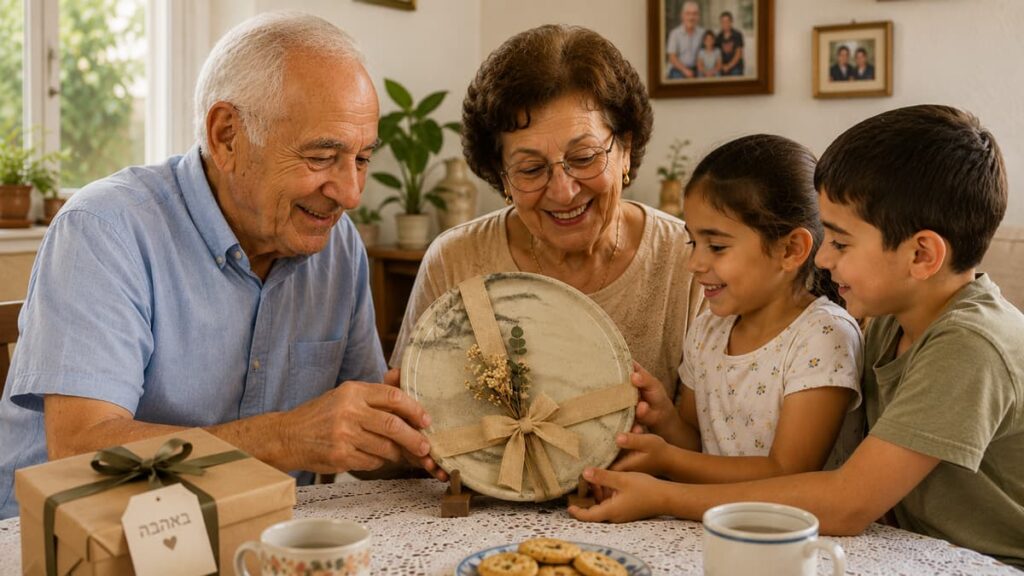
The later stages of life bring new opportunities: free time, life lessons, and a wealth of experience accumulated over the years. One of the most empowering ways to make the most of this period is through volunteering. Beyond making a meaningful impact on society, volunteering also contributes significantly to the mental, physical, and social well-being of the volunteers themselves.
Why Volunteer in Later Life?
1. A Sense of Purpose and Meaning
Retirement can sometimes lead to feelings of emptiness or a loss of purpose. Volunteering enables you to put your skills, knowledge, and experience to good use, offering a renewed sense of value and fulfillment.
2. Strengthening Social Connections
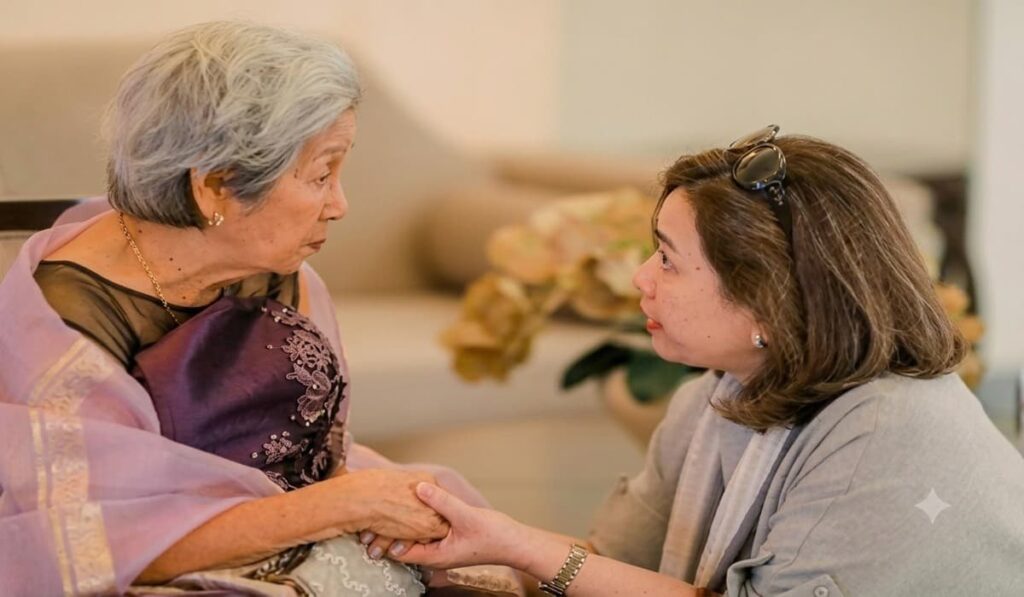
Volunteering is a great way to meet new people, build relationships, and prevent loneliness—which can be common in older age.
3. Improved Mental Health
Studies show that volunteering reduces feelings of depression and anxiety while increasing happiness and life satisfaction. Doing good for others encourages the release of hormones that support emotional well-being.
4. Maintaining Physical Health
Active volunteering, especially when it involves physical movement, helps maintain fitness and general health. Even social or office-based volunteering requires a routine and basic daily activity.
5. Learning and Personal Growth
The world never stops changing—and neither should we. Even in later life, there’s room to learn new skills. Volunteering can open doors to areas you’ve never explored before, such as technology, mentoring, or cultural and leisure programs.
What Volunteering Opportunities Are Available?
The options are endless. Here are just a few ideas:
- Personal support: Assisting fellow seniors, children at risk, or Holocaust survivors.
- Education and mentoring: Volunteering in schools, learning centers, or community clubs.
- Community support: Helping in day centers, welfare departments, or food distribution initiatives.
- Artistic involvement: Leading workshops in arts, crafts, music, or theater.
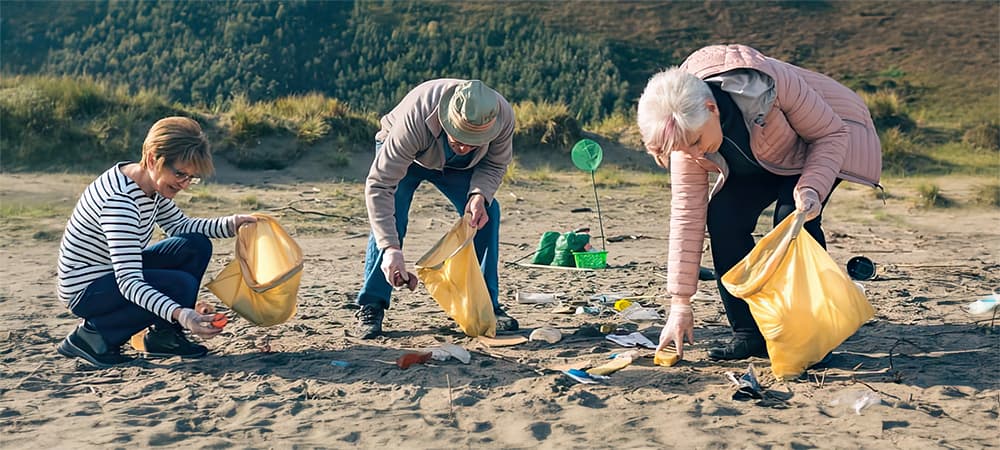
- Environmental care: Participating in clean-up projects, community gardening, or nature conservation efforts.
How to Get Started
- Identify your interests: Think about your passions – education, culture, welfare, or health.
- Contact organizations: Many nonprofits are in constant need of volunteers, such as the Click Savi Association, which offers dedicated programs for seniors.
- Find the right fit: Choose an activity that suits your physical abilities and the amount of time you’re willing to commit.
Conclusion
Volunteering in later life is not only about giving to others—it’s also an investment in yourself. It helps you stay active, feel purposeful, and remain a vital part of society. At the Click Savi Association, we see daily how volunteering benefits the volunteers and the people they support.
If you’re looking for ways to get involved, we’d be happy to help you find the opportunity that fits you best. Remember—it’s never too late to make a difference!